
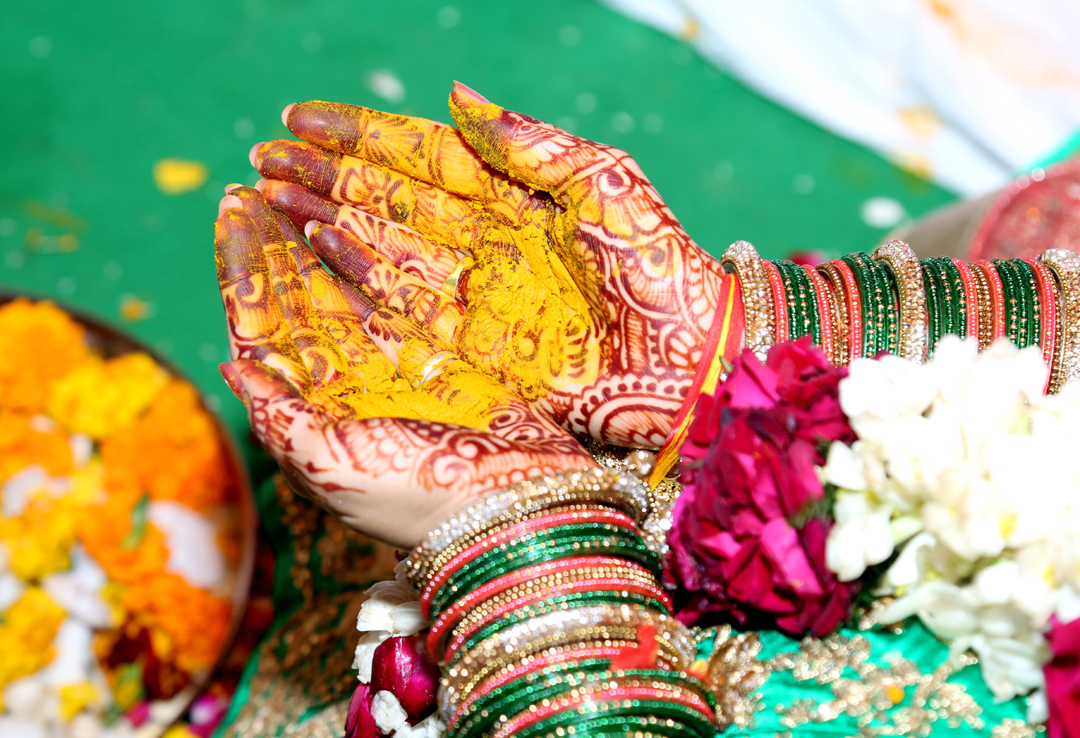

The Most Sacred Ritual of an Indian Wedding
Indian weddings are known for their rich traditions, deep emotions, and spiritual significance. Among the many sacred rituals performed, Kanyadaan holds a special place. It is considered one of the most pious and heartfelt moments of the wedding, where the bride’s parents give away their daughter to the groom, symbolizing her transition into a new family.
The word Kanyadaan is derived from Sanskrit, where “Kanya” means daughter and “Daan” means donation or gift. In Hindu tradition, it is believed that giving away a daughter in marriage is the highest form of charity that a parent can perform. This ritual is not just a formal custom but a spiritual offering, signifying trust, love, and blessings for the couple’s future together.
In this blog, we will explore the significance, rituals, emotions, and evolving modern perspectives on Kanyadaan in Indian weddings.
The Spiritual and Cultural Significance of Kanyadaan
- Kanyadaan as the Ultimate Act of Dharma
According to Hindu scriptures, Kanyadaan is considered one of the greatest acts of virtue (punya) that parents can perform in their lifetime. It is believed that by giving away their daughter in marriage, parents earn divine blessings and are freed from all past sins.
The act of Kanyadaan signifies that the parents are offering their most precious possession—their daughter—to Lord Vishnu, as the groom is often considered a representation of the divine. By doing so, they seek happiness, prosperity, and a blessed married life for their daughter. - Symbol of Love, Sacrifice, and Parenthood
For parents, their daughter is not just a child but a part of their soul. Kanyadaan is an emotional moment where they let go of their beloved daughter and entrust her well-being to another family. It signifies the selfless love of parents and their willingness to prioritize their daughter’s happiness over their own attachment. - The Groom as Lord Vishnu
In traditional Hindu beliefs, during Kanyadaan, the groom is treated as an incarnation of Lord Vishnu. The father of the bride washes the groom’s feet, symbolizing his divine presence and purity. The act of Kanyadaan is performed with the faith that the groom will love, respect, and protect the bride just as Vishnu protects Goddess Lakshmi.
Step-by-Step Rituals of Kanyadaan
Kanyadaan is performed during the wedding ceremony, usually after the Mangal Pheras (the sacred rounds around the fire). Here’s how it unfolds:
- Bride’s Parents Welcome the Groom
The bride’s parents invite the groom to sit beside their daughter, treating him as Lord Vishnu himself. The priest chants Vedic mantras to begin the Kanyadaan ritual. - Washing of the Groom’s Feet
In many traditions, the father of the bride washes the groom’s feet, symbolizing purity and acceptance of him as their son-in-law. In some cases, this is done symbolically without actual water. - Placing the Bride’s Hand in the Groom’s Hand (Hastamelap)
The father places his daughter’s hand in the groom’s hand and ties them together with a sacred thread, known as Hastamelap (joining of hands). This act signifies the transfer of responsibility from the father to the groom. - The Bride’s Mother Offers Sacred Water
The bride’s mother pours holy water (Gangajal) or milk into her husband’s hands, which then flows onto the bride and groom’s joined hands. This represents the final blessing and purification of their bond. - The Vows of the Groom
The groom promises to protect, respect, and cherish the bride for a lifetime. He vows to treat her as his equal and to honor her parents as his own. - Blessings and Conclusion of Kanyadaan
Once the vows are made, the bride’s parents seek blessings from the deities and officially offer their daughter to the groom. This marks the completion of Kanyadaan, and the wedding proceeds to the next ritual—Saptapadi (Seven Sacred Steps).
The Emotional Side of Kanyadaan
Kanyadaan is one of the most emotional moments of an Indian wedding. For parents, it is a bittersweet feeling—they are happy for their daughter’s new beginning, but also emotional about letting her go.
- A Father’s Tearful Goodbye
For a father, his daughter is often his pride, his joy, and his little girl forever. During Kanyadaan, many fathers struggle to hold back their tears as they entrust their daughter’s happiness to another man. It is a moment of pride, love, and deep emotion. - A Mother’s Silent Prayers
A mother, who has raised her daughter with endless love and care, silently prays for her well-being. She wishes for her daughter to have a life filled with happiness, respect, and love. - The Bride’s Mixed Emotions
For the bride, Kanyadaan is a mix of happiness, nervousness, and nostalgia. She is stepping into a new life with her husband, but at the same time, she feels the pain of leaving her parents’ home.
Modern Perspectives on Kanyadaan
With changing times, the concept of Kanyadaan has evolved in some Indian weddings. While it is still a deeply respected tradition, some couples and families have chosen to adapt it in meaningful ways.
- Equal Participation of Both Parents
Traditionally, Kanyadaan was performed only by the father. However, many modern weddings now include both the mother and father, symbolizing that a child is raised equally by both parents. - Bride’s Consent and Empowerment
In earlier times, Kanyadaan was seen as “giving away” the bride. Today, many families emphasize that the bride is not an object to be given away but a willing participant in her marriage. Some modern weddings include the bride actively participating in the vows. - Parents of Both Bride and Groom Giving Away Their Children
Some weddings now have a ritual where both sets of parents perform a “mutual Kanyadaan”, symbolizing that marriage is the coming together of two families, not just the transfer of the bride. - Women Performing Kanyadaan
Traditionally, only the father or male guardians performed Kanyadaan. However, today, many single mothers and widowed mothers perform the ritual, recognizing that a mother is equally important in raising a child.
A Sacred Bond of Love and Blessings
Kanyadaan is more than just a wedding ritual—it is a moment of deep love, emotion, and faith. It reflects the selfless love of parents, their trust in their daughter’s new journey, and their prayers for her happiness.
While some aspects of the tradition have evolved, the essence of Kanyadaan remains the same—blessings, love, and the sacred union of two families. It is one of the most touching moments in an Indian wedding, marking the beginning of a beautiful new chapter in the bride’s life.
As the bride steps forward with her groom, she carries the love, blessings, and prayers of her parents, making Kanyadaan not just a ritual, but a timeless tradition of love and devotion.
